Addictions
July 13, 2025
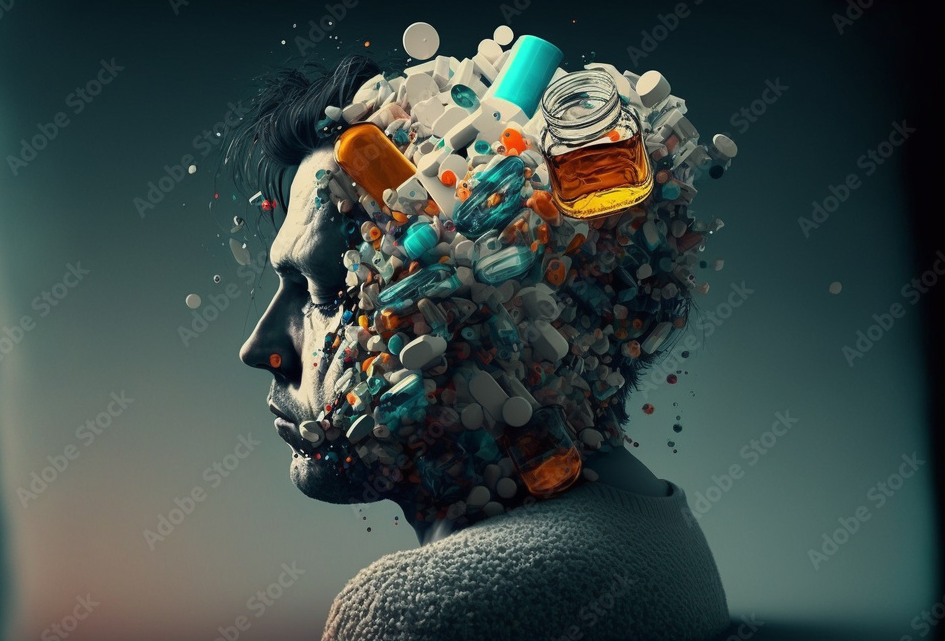
Addictions
If you are addicted, you are more or less dependent on a specific substance or habit.
You can be mentally addicted or physically addicted. But very often, it is a combination of both. For example, if you’re addicted to smoking, your body depends on nicotine, and at the same time, you’re mentally addicted to the act of smoking — it gives your hands something to do.
You can become addicted to certain behaviors, such as eating, shopping, internet use, chatting, gaming, gambling, work, or sex. There are also substances to which you can become addicted. Think of drug use or certain substances like alcohol, cigarettes, THC, cocaine, or GHB.
Increasingly common is addiction to medication such as anti-anxiety drugs or sleep aids (e.g., lorazepam, diazepam, oxazepam). You can also become addicted to painkillers like opioids, fentanyl, and oxycodone. These are often prescribed repeatedly for years. Because these medicines are prescribed by a doctor, they are often seen as ‘safe’. However, the risk of dependence is immense.
When do we speak of addiction?
Someone who is addicted spends an excessive amount of time fulfilling their addiction. Despite the physical, emotional, relational, or financial risks they face, addicts feel unable to stop their behavior.
The causes of addiction can lie in various areas:
– How was someone raised?
– In what environment did they grow up?
– What kind of behavior did their parents or other family members exhibit?
– Have they experienced traumatic events?
– Are there unresolved past experiences with their parents or family?
– Have they been bullied or do they carry unresolved trauma?
Additionally, a habit can turn into an addiction because it provides a good feeling. (Many substances are called ‘pleasure substances’ for this reason.) Or because using it is a way to cope with difficult situations or emotions.
Dependence on an addiction does not only affect physical health; it can also be devastating for self-respect, identity, family, relationships, work, and finances.
To prevent these problems or to help break free from addiction, you must face the issues directly.
What can you do about it?
Fortunately, addiction can be fought. Hypnotherapy is often used as a treatment for addiction or as a supplement or support alongside regular therapies.
A hypnotherapist can help you with self-confidence and techniques to stay calm in stressful situations. This can help prevent you from returning to the addictive behavior during difficult moments.
Behind every addiction, there is also a positive intention; it provides you with something. When you find other ways to achieve the same value as the old behavior (the addiction), you no longer need to engage in that old behavior.
How does it work?
To address your addiction, it is important to identify the underlying cause of your urge for the substance or behavior you are addicted to. The reason is often not obvious and must be uncovered through investigation. Only then can you start effectively treating the problem. With hypnosis and hypnotherapy, the feelings that initially triggered the problem can be identified. Fears and behaviors can be unraveled to develop an effective action plan. From then on, you can work towards progress and liberation from your addiction.
Addiction
Want to be free from your problem?
Schedule an appointment, and let's do it!
Book your sessionSession 2: Eliminate the Problem.
Session 3: Confirm and Solidify the change.